

Carbon Fiber Reinforced Polymer (CFRP) Carbon has revolutionized various industries with its exceptional strength-to-weight ratio, corrosion resistance, and high stiffness. As a leading supplier of CFRP Carbon products, I understand the importance of addressing safety aspects associated with its use. In this blog, I will delve into the key safety considerations when working with CFRP Carbon, providing valuable insights for both professionals and enthusiasts.
1. Material Handling and Storage
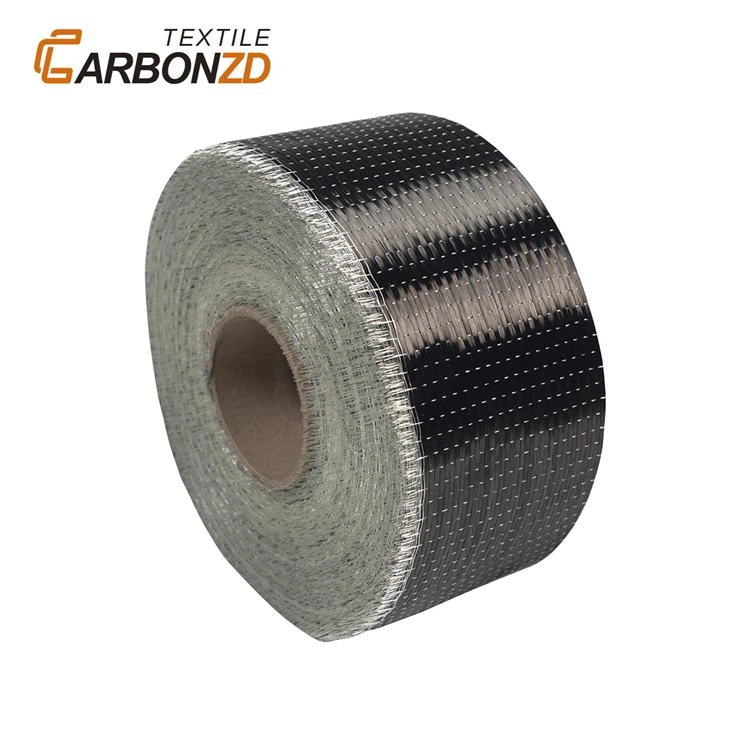
When handling CFRP Carbon materials, it is crucial to take precautions to prevent damage and ensure personal safety. These materials are typically supplied in rolls or sheets, and they can be quite sharp and brittle. Therefore, wearing appropriate personal protective equipment (PPE) such as gloves and safety glasses is essential. Gloves protect your hands from cuts and splinters, while safety glasses shield your eyes from any flying debris.
During storage, CFRP Carbon should be kept in a dry and cool environment. Exposure to moisture can degrade the resin matrix, which holds the carbon fibers together, reducing the material's strength and durability. Additionally, the material should be stored away from direct sunlight and heat sources to prevent thermal damage. Proper storage not only maintains the quality of the CFRP Carbon but also reduces the risk of accidents during handling.

2. Cutting and Machining
Cutting and machining CFRP Carbon require specialized tools and techniques. Traditional metal-cutting tools may not be suitable as they can cause excessive heat generation, which can damage the carbon fibers and the resin matrix. Instead, diamond-tipped or carbide-tipped tools are recommended for cutting CFRP Carbon. These tools provide clean cuts and minimize the risk of delamination, a condition where the layers of the composite material separate.
When cutting CFRP Carbon, it is important to use a dust extraction system. The cutting process generates fine carbon dust, which can be harmful if inhaled. Prolonged exposure to carbon dust can cause respiratory problems, including lung irritation and fibrosis. A dust extraction system helps to capture the dust at the source, reducing the risk of inhalation and keeping the work environment clean and safe.
3. Resin Handling
CFRP Carbon composites are typically made by impregnating carbon fibers with a resin matrix. The resin used can be epoxy, polyester, or vinyl ester, among others. These resins often contain chemicals that can be hazardous if not handled properly. For example, epoxy resins can cause skin irritation and allergic reactions, while some polyester resins may release harmful fumes during curing.
When handling resins, it is important to wear appropriate PPE, including chemical-resistant gloves, aprons, and respirators. The work area should be well-ventilated to prevent the accumulation of fumes. Additionally, resins should be stored in a cool, dry place and used according to the manufacturer's instructions. Improper storage or use of resins can lead to premature curing, reduced bonding strength, and potential health risks.
4. Installation and Bonding
Installing CFRP Carbon products, such as 300g Unidirectional Carbon Fiber Wrap and Carbon Wrapping for Beams, requires careful attention to safety. The surface to which the CFRP Carbon is being bonded must be clean, dry, and free of contaminants. Any dirt, oil, or grease can affect the bonding strength and lead to failure.
During installation, it is important to follow the recommended installation procedures. This may involve using specific adhesives and applying the CFRP Carbon under controlled conditions. For example, some adhesives require a certain temperature and humidity range for proper curing. Failure to follow these procedures can result in poor bonding, which can compromise the structural integrity of the application.
5. Fire Safety
While CFRP Carbon itself is not highly flammable, the resin matrix used in the composite can be combustible. Therefore, it is important to consider fire safety when using CFRP Carbon. In high-risk environments, such as in the aerospace or automotive industries, fire-resistant resins may be used to reduce the risk of fire.
Additionally, CFRP Carbon products should be stored and used away from open flames and heat sources. In case of a fire, CFRP Carbon can release toxic fumes, so it is important to have proper fire suppression systems in place and to follow fire safety protocols.
6. Long-Term Exposure and Health Risks
Long-term exposure to CFRP Carbon and its associated chemicals can pose health risks. As mentioned earlier, carbon dust inhalation can cause respiratory problems, and resin exposure can lead to skin and allergic reactions. Therefore, it is important to monitor the work environment regularly and to provide appropriate training to workers on the proper handling and safety procedures.
Workers should also undergo regular health check-ups to detect any potential health issues early. By taking these precautions, the risk of long-term health problems associated with CFRP Carbon use can be minimized.
Conclusion
As a supplier of CFRP Carbon, I am committed to providing high-quality products and ensuring the safety of our customers. By understanding and addressing the safety aspects of using CFRP Carbon, we can minimize the risks associated with its handling, processing, and installation. Whether you are a professional in the construction, aerospace, or automotive industry, or an enthusiast working on a DIY project, it is important to prioritize safety when working with CFRP Carbon.
If you are interested in purchasing CFRP Carbon products for your project, I encourage you to contact us for more information. Our team of experts can provide you with detailed product specifications, installation guidelines, and safety recommendations. We look forward to working with you and helping you achieve your project goals safely and effectively.
References
- ASTM International. (Year). Standard test methods for composite materials.
- National Institute for Occupational Safety and Health (NIOSH). (Year). Safety guidelines for working with composite materials.
- Resin manufacturers' safety data sheets.