

Hey there! I'm a supplier of Red Aramid Fiber Fabric, and I often get asked if this fabric is easy to bond with other materials. Well, let's dive right into it and find out.
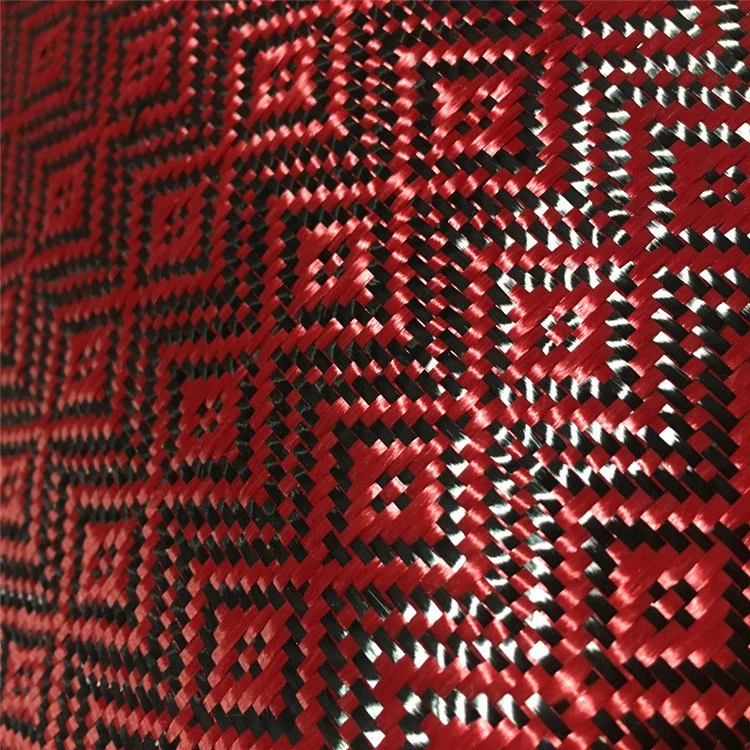
First off, let's talk a bit about Red Aramid Fiber Fabric. It's a super - strong and heat - resistant material. Aramid fibers are known for their high strength - to - weight ratio, which makes them a top choice in many industries, from aerospace to protective gear. The red color doesn't change the fundamental properties of the aramid fiber; it's just a different aesthetic or sometimes used for identification purposes.
Now, when it comes to bonding Red Aramid Fiber Fabric with other materials, it's not as straightforward as you might think. There are a few factors that come into play.
Surface Properties
The surface of Red Aramid Fiber Fabric is relatively smooth and chemically inert. This means that it doesn't have a lot of reactive sites for adhesives to grab onto. Adhesives work by forming chemical bonds or mechanical interlocks with the surface of the materials they're joining. With Red Aramid Fiber Fabric, creating these bonds can be a challenge.
For example, if you try to use a regular glue on the fabric, it might not stick well because the glue can't penetrate the smooth surface of the fibers. To overcome this, some manufacturers treat the surface of the fabric. Surface treatments can introduce reactive groups on the fiber surface, making it easier for adhesives to bond. These treatments can include plasma treatment, chemical etching, or applying a primer.
Compatibility with Adhesives
Not all adhesives are created equal when it comes to bonding with Red Aramid Fiber Fabric. Epoxy adhesives are often a popular choice because they can form strong chemical bonds. However, even with epoxy, proper surface preparation is crucial.
Some adhesives might not be compatible with the fabric's properties. For instance, if an adhesive is too brittle, it might crack under stress, causing the bond to fail. On the other hand, if an adhesive is too soft, it might not provide enough strength to hold the fabric and the other material together.
When choosing an adhesive, you also need to consider the environment in which the bonded materials will be used. If it's going to be exposed to high temperatures, you'll need an adhesive that can withstand those conditions. If it's going to be in a wet environment, you'll need a waterproof adhesive.
Types of Materials to Bond With
The type of material you're trying to bond Red Aramid Fiber Fabric with also matters. Let's take a look at a few common scenarios.
Bonding with Metals
Metals are widely used in many applications, and bonding Red Aramid Fiber Fabric to metals can be useful in creating lightweight yet strong structures. When bonding with metals, you need to consider the difference in thermal expansion coefficients. Metals and aramid fibers expand and contract at different rates when the temperature changes. This can put stress on the bond and cause it to fail over time.
To address this, you might need to use a flexible adhesive that can absorb the stress caused by the difference in thermal expansion. Additionally, proper surface preparation of the metal is also important. The metal surface should be clean and free of any oxides or contaminants that could prevent the adhesive from bonding properly.
Bonding with Plastics
Plastics come in a wide variety of types, each with its own properties. Bonding Red Aramid Fiber Fabric to plastics can be tricky because different plastics have different surface energies and chemical compositions.
For example, if you're bonding with a polycarbonate plastic, you might need to use a specific type of adhesive that is designed for polycarbonate. Some plastics are more polar than others, and this affects how well they bond with the fabric. Surface treatments on both the fabric and the plastic can improve the bonding strength.
Bonding with Other Fabrics
Bonding Red Aramid Fiber Fabric with other fabrics can be a bit easier in some ways. However, you still need to consider the compatibility of the fibers and the adhesives. For example, if you're bonding it with a Twill Kevlar Fiber Fabric, both are aramid - based, but they might have different surface finishes or treatments.
You also need to think about the flexibility and stretchability of the fabrics. If one fabric is more stretchy than the other, the bond might be stressed during normal use, leading to failure.

Tips for Successful Bonding
If you're looking to bond Red Aramid Fiber Fabric with other materials, here are some tips that can help:
- Surface Preparation: As mentioned earlier, this is crucial. Clean the fabric and the other material thoroughly. Use appropriate surface treatments to increase the surface energy and create reactive sites.
- Adhesive Selection: Choose an adhesive that is compatible with both the fabric and the other material. Consider the environmental conditions and the required strength of the bond.
- Testing: Before starting a large - scale project, do some small - scale tests. Try different adhesives and surface treatments to see which combination works best.
- Application Technique: Follow the manufacturer's instructions for applying the adhesive. Make sure to apply it evenly and use the right amount.
In conclusion, bonding Red Aramid Fiber Fabric with other materials is possible, but it's not always easy. It requires careful consideration of the fabric's properties, the type of material you're bonding with, and the choice of adhesive. With the right approach and proper techniques, you can achieve a strong and reliable bond.
If you're in the market for Red Aramid Fiber Fabric or have questions about bonding it with other materials, feel free to reach out. We're here to help you with your projects. Whether you need Yellow Aramid Fiber Fabric or Kevlar Fiber Fabric, we've got you covered. Let's work together to find the best solutions for your needs.
References
- "Handbook of Adhesive Technology" by A. Pizzi and K. L. Mittal
- "Fiber - Reinforced Composites: Materials, Manufacturing, and Design" by Daniel A. Summers