

Your Professional Carbon Fiber Fabric Supplier
Zhonglong new material technology co.,ltd. is a leading Chinese supplier of advanced composite materials, including glass fiber, carbon fiber, basalt fiber, fiberglass reinforced plastic (FRP), aramid fibers (such as Kevlar), epoxy resins, and related composite products. The company serves a diverse range of industries by providing raw materials to construction reinforcement companies, surfboard manufacturers, kayak and boat manufacturers, sports and racing equipment designers, model aircraft manufacturers, hobbyists, and professional manufacturers.
Production Equipment
We are equipped with state-of-the-art production facilities, including seven advanced carbon fiber weaving looms, four carbon fiber plate extrusion lines, and two carbon fiber prepreg machines.
Sales Market
We have successfully established a robust customer base for its carbon fiber products across various regions, including Southeast Asia, South Korea, Turkey, and South America.
Rich Experience
With decades of experience in manufacturing carbon fiber fabrics, basalt fiber, and aramid fabrics (such as Kevlar), the company has developed deep expertise in this field.
Excellent Service
We are dedicated to delivering exceptional service throughout the entire sales process—from pre-sales consultation to after-sales support.


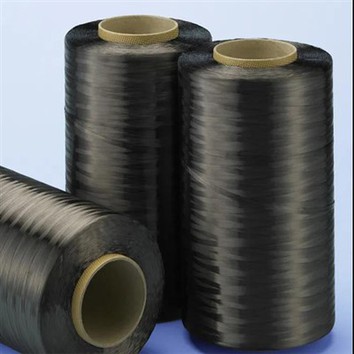


Specification of Carbon Fiber Fabric
|
Fiber grade |
T300 ~ T800 |
|
Number of fibers in the bundle |
3k-24k |
|
Thickness |
0.1~0.7mm |
|
Width available |
10~1500 |
|
Typical weight g/m2 |
100~650 |
The carbon fiber fabric produced by our company mainly include the following types:
UD Carbon Fiber Fabric
UD Carbon Fiber Fabric is a high-performance composite material manufactured from carbon fiber. This fabric is designed for use in various industries, offering exceptional strength, stiffness, and lightweight properties. Carbon fiber, known for its high tensile strength and modulus, forms the basis of this fabric, providing excellent mechanical properties.
Bidirectional Carbon Fiber Fabric
Twill Carbon Fiber Fabric is a high-quality bidirectional carbon fiber material widely used in various industries for its exceptional strength, durability, and aesthetic appeal. This fabric is manufactured using a twill weave pattern, which provides a distinctive diagonal pattern and enhanced structural integrity.

Key Properties of Carbon Fiber Fabric
Lightweight but Strong
One of the most significant advantages of carbon fiber fabric is its strength-to-weight ratio. It’s five times stronger than steel but weighs much less, making it ideal for applications where weight reduction is critical, such as in the aerospace or automotive industries.
High Thermal and Chemical Resistance
Carbon fiber fabric is highly resistant to both heat and chemicals, making it suitable for extreme environments. Whether exposed to high temperatures or corrosive substances, carbon fiber maintains its integrity.
Electrical Conductivity
Another lesser-known property of carbon fiber fabric is its ability to conduct electricity. This feature can be beneficial in certain applications, such as in electronics or high-performance engineering projects.
Applications of Carbon Fiber Fabric
Carbon Fiber Fabric in Protective Clothing
Carbon fiber has emerged as a leading material for protective clothing across various industries. One prime example is motorcycle protective gear, where carbon fiber is widely used for its exceptional durability, lightweight nature, and superior protection. You can easily find carbon fiber-reinforced composites in motorcycle helmets, jackets, gloves, and sunglasses. These items provide riders with reliable protection against impacts and abrasions in case of accidents.
Carbon Fiber Fabric in Personal Accessories
Personal and clothing accessories have become a must-have for many people. And it doesn’t matter how rapidly the trends in these essential items are changing. Carbon fiber is there to elevate the quality and look of anything. Carbon fiber is gradually finding its way to replace traditional materials to become the next one among accessories enthusiasts. Let’s take these carbon fiber wallets as an example. They are solid, well-built, and long-lasting while looking incredibly attractive.
Carbon Fiber Fabric in Jewelry and Watches
Carbon fiber jewelry symbolizes innovation while also a testament to inherent beauty. The striking woven pattern of carbon fiber creates an eye-catching and mesmerizing aesthetic that sets it apart from traditional materials like gold and silver. Moreover, the long-term value of carbon fiber jewelry is noteworthy. As carbon fiber is typically rarer and more exclusive, owning a piece of carbon fiber jewelry may hold greater worth in the future.
Different Weaving Methods of Carbon Fiber Fabric
Plain Weave
A plain weave carbon fiber sheet looks symmetrical with a small checkerboard style appearance. In this weave the tows are woven in an over/under pattern. The short space between interlaces give the plain weave a high level of stability. Fabrics stability is the ability for a fabric to maintain its weave angle and fiber orientation.
Twill Weave
Twill serves as a bridge between a plain weave and the satin weaves we will discuss next. Twill has good pliability and can form to complex contours, and it is better at maintaining its fabric stability than a harness satin weave, but not as good as plain weave. If you follow a tow strand in a twill weave it passes over a set number of tows and then under the same number of tows.
Harness Satin Weaves
The satin weave was designed thousands of years ago for making silk fabrics with excellent draping qualities, while also looking smooth and seamless. For composites, this drapability means it can easily form and wrap around complex contours. Because the fabric is so formable, it, expectantly, has low stability.

Storage of Carbon Fiber Fabric
Temperature and humidity control
Carbon fiber fabric should be stored in a dry and temperature stable environment. The optimal temperature range is 15-25 degrees Celsius, and the relative humidity should be controlled between 40-50%. Avoid placing carbon fiber fabric in damp, high or low temperature environments to avoid deformation or damage.
Avoid direct sunlight
Prolonged exposure to sunlight can affect the performance of carbon fiber fabric, so storage areas for carbon fiber fabric should avoid direct sunlight. It is best to store carbon fiber fabric in a dark and ventilated place, avoiding direct sunlight.
Avoid squeezing and heavy pressure
Carbon fiber fabric is a brittle material that is easily damaged by squeezing and heavy pressure. In places where carbon fiber fabric is stored, it should be avoided from being squeezed between other items or stacking heavy objects.
Avoid contact with chemicals
Carbon fiber fabric is sensitive to certain chemicals and should avoid contact with chemicals such as oil, acid, and alkali. In places where carbon fiber fabric is stored, these chemicals should be avoided.
Pay attention to fire safety
Carbon fiber fabric is a flammable material and should avoid contact with open flames. When storing carbon fiber fabric, attention should be paid to fire safety and do not place it near flammable materials.
Order Process
Develop products
1
>>
Confirm details with customers
2
>>
Create samples
3
>>
Mass production
4
>>
Quality inspection
5
Packaging and Shipping
|
Packaging |
Typically, our fabric is rolled into 100-meter or 50-meter rolls, and each roll is packed in a separate box. We use export cartons with shipping marks to ensure the protection of goods during the long-distance shipping. |
|
Shipping |
We will help you to choose the best shipping way according to your detail requirements. By sea, by air, or by express, etc. |
Our Service
Pre-Sales Services
Our experienced and knowledgeable team is available to assist you during the pre-sales phase. We provide expert guidance and technical consultation to help you select the most suitable products for your specific requirements. Whether you are a construction reinforcement company, surfboard manufacturer, kayak and boat manufacturer, sports and racing designer, model aircraft manufacturer, hobbyist, or professional manufacturer, we will provide the necessary information and support to ensure the success of your projects.
Sales Services
We strive to deliver the highest quality products to our customers. Our manufacturing facilities are equipped with state-of-the-art technology, enabling us to produce carbon fiber cloth, basalt fiber, and aramid (such as Kevlar fabric) of exceptional quality. We maintain stringent quality control measures to ensure that each product meets the highest industry standards. Our sales team is dedicated to providing efficient order processing, timely delivery, and reliable logistics services to ensure a seamless purchasing experience.
After-Sales Services
At Zhonglong new material technology co.,ltd., customer satisfaction is our top priority. We are committed to providing excellent after-sales support. If you encounter any issues or have questions regarding our products, our customer service representatives are readily available to assist you. We will address any concerns promptly and provide appropriate solutions to ensure your satisfaction.
Our Certifications

Our Factory
Zhonglong new material technology co.,ltd. is a company specialized in the production of carbon fiber products. We are firmly committed to providing excellent service and ensuring stable product quality for our customers. We believe that through the application of carbon fiber, we can together create a better future.


FAQ
We're professional carbon fiber fabric manufacturers and suppliers in China, specialized in providing high quality products and service. Please feel free to buy or wholesale high-grade carbon fiber fabric in stock here from our factory.
carbon fiber fabric for printed circuit boards, carbon fiber fabric for pcb conductive inks, carbon fiber fabric for pcb optical testing