

Carbon Fiber Reinforced Polymer (CFRP) is a composite material that has revolutionized various industries due to its exceptional properties. As a leading CFRP carbon supplier, I have witnessed firsthand the diverse applications of this remarkable material. In this blog, I will explore some of the key applications of CFRP carbon and highlight how it can benefit different sectors.
Aerospace Industry
The aerospace industry is one of the primary users of CFRP carbon. The material's high strength-to-weight ratio makes it an ideal choice for aircraft components. For instance, CFRP is used in the construction of wings, fuselages, and tail sections. By replacing traditional materials such as aluminum with CFRP, aircraft manufacturers can significantly reduce the weight of the aircraft, leading to improved fuel efficiency and reduced emissions.
Moreover, CFRP carbon has excellent fatigue resistance, which is crucial for aerospace applications. Aircraft components are subjected to repeated stress and strain during flight, and CFRP's ability to withstand these forces without significant degradation ensures the safety and reliability of the aircraft. Additionally, CFRP has good corrosion resistance, which is important in the harsh environments encountered during flight.
Automotive Industry
In the automotive industry, CFRP carbon is increasingly being used to enhance the performance and efficiency of vehicles. Similar to the aerospace industry, the high strength-to-weight ratio of CFRP makes it an attractive option for automotive manufacturers. By using CFRP in the construction of car bodies, chassis, and other components, vehicles can be made lighter, resulting in improved acceleration, handling, and fuel economy.
CFRP carbon is also used in the production of high-performance sports cars and luxury vehicles. The material's ability to be molded into complex shapes allows for the creation of aerodynamic and stylish designs. Additionally, CFRP's excellent vibration damping properties can improve the comfort and quietness of the vehicle's interior.
Construction Industry
The construction industry has also embraced the use of CFRP carbon for various applications. One of the primary uses of CFRP in construction is for strengthening and retrofitting existing structures. Carbon Wrapping for Beams is a common technique where CFRP sheets are wrapped around beams and columns to increase their load-carrying capacity and resistance to seismic forces.
CFRP carbon is also used in the construction of new buildings, particularly in high-rise structures. The material's high strength and stiffness make it suitable for use in structural elements such as columns and beams. Additionally, CFRP's lightweight nature reduces the dead load on the building, which can lead to cost savings in the foundation design.
Sports Equipment
CFRP carbon has had a significant impact on the sports equipment industry. It is widely used in the production of tennis rackets, golf clubs, bicycles, and other sports equipment. The high strength-to-weight ratio of CFRP allows for the creation of lightweight and powerful sports equipment.
For example, CFRP tennis rackets are lighter and more maneuverable than traditional rackets, allowing players to generate more power and control. Similarly, CFRP golf clubs are lighter and have a larger sweet spot, resulting in improved accuracy and distance. In the cycling industry, CFRP bicycles are known for their lightweight and stiffness, which enhance the performance of the rider.
Marine Industry
In the marine industry, CFRP carbon is used in the construction of boats and yachts. The material's high strength, corrosion resistance, and lightweight nature make it an ideal choice for marine applications. CFRP is used in the hulls, decks, and superstructures of boats, resulting in improved performance and fuel efficiency.
CFRP carbon is also used in the production of racing boats, where speed and performance are critical. The lightweight nature of CFRP allows for faster acceleration and higher top speeds. Additionally, CFRP's resistance to water and salt corrosion ensures the durability of the boat in harsh marine environments.
Energy Industry
The energy industry is another sector that benefits from the use of CFRP carbon. In the wind energy sector, CFRP is used in the production of wind turbine blades. The high strength and stiffness of CFRP allow for the creation of longer and more efficient blades, which can capture more wind energy and generate more electricity.
CFRP carbon is also used in the oil and gas industry for applications such as pipeline reinforcement and offshore platforms. The material's corrosion resistance and high strength make it suitable for use in harsh and corrosive environments.
Medical Industry
In the medical industry, CFRP carbon is used in the production of medical devices and equipment. The material's biocompatibility, high strength, and lightweight nature make it an ideal choice for medical applications. CFRP is used in the production of prosthetics, orthopedic implants, and surgical instruments.
For example, CFRP prosthetics are lighter and more comfortable for patients to wear than traditional prosthetics. They also offer better performance and durability. In the case of orthopedic implants, CFRP's high strength and stiffness can provide better support and stability for the patient's bones.
Conclusion
As a CFRP carbon supplier, I am constantly amazed by the diverse applications of this remarkable material. From aerospace and automotive to construction and sports equipment, CFRP carbon has transformed various industries with its exceptional properties.
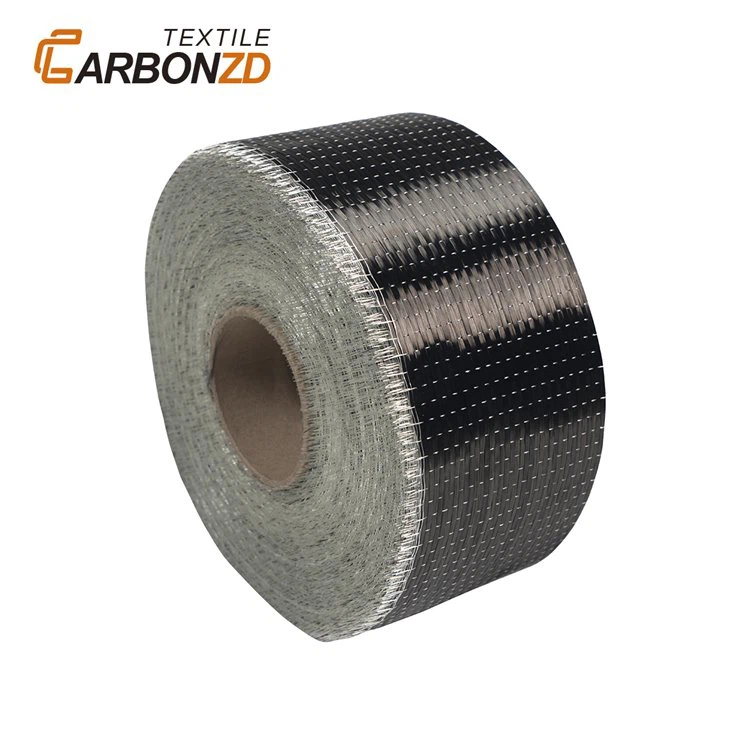

If you are interested in using CFRP carbon for your projects, I encourage you to contact us for more information. Our team of experts can provide you with detailed technical specifications, samples, and pricing. We are committed to providing high-quality CFRP carbon products and excellent customer service. Whether you are a large corporation or a small business, we can work with you to meet your specific needs. Let's explore the possibilities of CFRP carbon together and take your projects to the next level.
References
- Ashby, M. F., & Jones, D. R. H. (2012). Engineering Materials 1: An Introduction to Properties, Applications, and Design. Butterworth-Heinemann.
- Callister, W. D., & Rethwisch, D. G. (2014). Materials Science and Engineering: An Introduction. Wiley.
- Gibson, R. F. (2012). Principles of Composite Material Mechanics. CRC Press.