

As a supplier of Plain Aramid Fiber Fabric, I understand the importance of ensuring the health and safety of those who work with this remarkable material. Aramid fibers, known for their high strength, heat resistance, and chemical stability, are widely used in various industries, including aerospace, automotive, and protective clothing. However, like any industrial material, working with Plain Aramid Fiber Fabric comes with certain health risks that need to be managed effectively. In this blog post, I will share some practical tips on how to prevent health risks when working with Plain Aramid Fiber Fabric.
Understanding the Health Risks
Before delving into prevention measures, it's crucial to understand the potential health risks associated with Plain Aramid Fiber Fabric. The primary concern is the inhalation of aramid fiber dust. When the fabric is cut, sanded, or otherwise processed, fine fibers can become airborne. Inhaled fibers can irritate the respiratory system, leading to coughing, wheezing, shortness of breath, and in severe cases, more serious lung conditions.
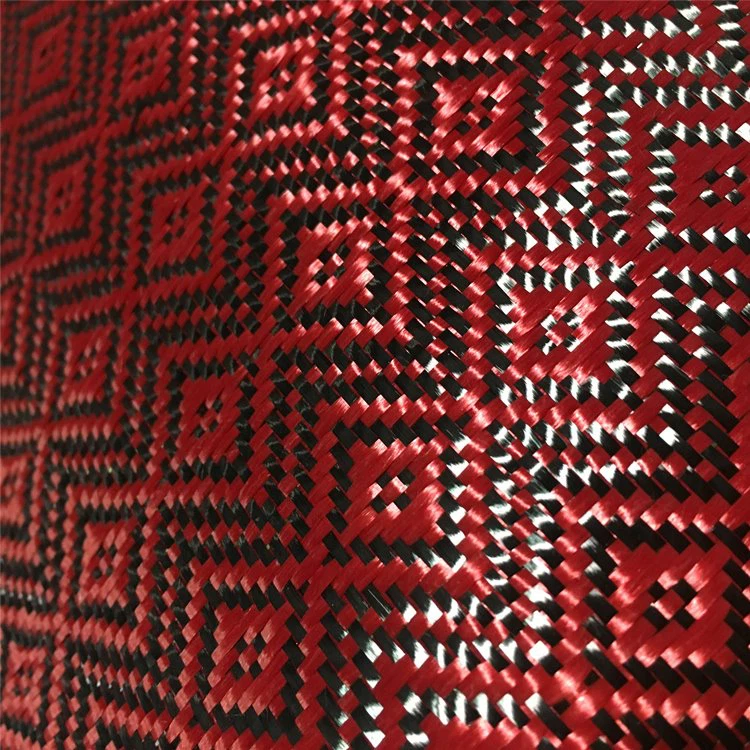

Contact with the skin can also cause irritation, especially if the fibers are rough or if a person has sensitive skin. Prolonged exposure or repeated contact may lead to dermatitis, characterized by redness, itching, and swelling.
Engineering Controls
One of the most effective ways to prevent health risks is through engineering controls. These are physical modifications to the workplace or equipment that reduce or eliminate exposure to aramid fiber dust.
Ventilation Systems
Installing a high - efficiency ventilation system is essential. Local exhaust ventilation (LEV) systems can capture dust at the source before it spreads into the air. For example, when cutting or sanding Plain Aramid Fiber Fabric, a LEV hood can be placed near the cutting or sanding area to draw in the dust. The system should be regularly maintained to ensure optimal performance. Filters need to be replaced according to the manufacturer's recommendations, and the ductwork should be inspected for any blockages or leaks.
Enclosed Work Areas
Another engineering control is the use of enclosed work areas. For processes that generate a significant amount of dust, such as large - scale cutting or grinding, creating an enclosed space can help contain the dust. The enclosure can be equipped with a ventilation system to remove the dust from the enclosed area. Clear windows or viewing panels can be installed to allow operators to see the work being done without having to open the enclosure.
Personal Protective Equipment (PPE)
Even with engineering controls in place, personal protective equipment (PPE) is still necessary to protect workers from any residual exposure.
Respiratory Protection
Respirators are a critical piece of PPE when working with Plain Aramid Fiber Fabric. A particulate respirator with a high - efficiency particulate air (HEPA) filter can effectively prevent the inhalation of aramid fiber dust. Workers should be trained on how to properly select, fit, and use respirators. A fit test should be conducted regularly to ensure a proper seal. Different types of respirators are available, including disposable respirators and reusable respirators. Disposable respirators are convenient but need to be replaced frequently, while reusable respirators require more maintenance but can be more cost - effective in the long run.
Eye Protection
Safety glasses or goggles should be worn to protect the eyes from flying fibers. The glasses should have side shields to provide full protection. In high - risk areas, such as areas where there is a lot of cutting or grinding, face shields can also be used in addition to safety glasses for extra protection.
Skin Protection
To prevent skin irritation, workers should wear long - sleeved shirts, long pants, and gloves. The gloves should be made of a material that is resistant to aramid fibers, such as nitrile gloves. Coveralls can also be worn to provide full - body protection. After handling the fabric, workers should wash their hands thoroughly with soap and water to remove any fibers that may have stuck to the skin.
Administrative Controls
Administrative controls involve policies and procedures that can help reduce exposure to aramid fiber dust.
Training Programs
Comprehensive training programs should be provided to all workers who work with Plain Aramid Fiber Fabric. The training should cover the health risks associated with the material, the proper use of engineering controls and PPE, and emergency procedures in case of exposure. Workers should be trained on how to handle the fabric safely, how to use the equipment properly, and how to recognize the signs and symptoms of exposure. Regular refresher training should be conducted to ensure that workers stay up - to - date with the latest safety information.
Housekeeping
Good housekeeping practices are essential to prevent the accumulation of aramid fiber dust in the workplace. Work areas should be cleaned regularly using methods that do not generate more dust, such as wet - wiping or using a vacuum cleaner with a HEPA filter. Floors, tables, and equipment should be kept clean to minimize the risk of re - suspension of dust into the air.
Work Rotation
If possible, implementing a work rotation schedule can help reduce the cumulative exposure of workers to aramid fiber dust. By rotating workers between different tasks or areas, the amount of time an individual is exposed to high - dust environments can be reduced.
Medical Surveillance
Medical surveillance is an important part of a comprehensive health and safety program when working with Plain Aramid Fiber Fabric. Workers should undergo regular medical check - ups to detect any early signs of health problems related to exposure. The medical examinations should include a respiratory function test, a skin examination, and a general health assessment. Workers who show signs of exposure - related health problems should be provided with appropriate medical treatment and may need to be reassigned to tasks with lower exposure levels.
Conclusion
Working with Plain Aramid Fiber Fabric offers many benefits, but it also requires careful attention to health and safety. By implementing a combination of engineering controls, PPE, administrative controls, and medical surveillance, the health risks associated with working with this material can be effectively managed. As a [Supplier type] of Plain Aramid Fiber Fabric, I am committed to providing not only high - quality products but also the necessary information and support to ensure the health and safety of those who use our materials.
If you are interested in purchasing Plain Aramid Fiber Fabric, Blue Aramid Fiber Fabric, or Yellow Aramid Fiber Fabric, we encourage you to reach out to us for a detailed discussion regarding your specific requirements. Our team of experts is always ready to assist you in making the right choice for your projects.
References
- Occupational Safety and Health Administration (OSHA). "Occupational Exposure to Hazardous Chemicals in the Workplace."
- American Conference of Governmental Industrial Hygienists (ACGIH). "Threshold Limit Values (TLVs) for Chemical Substances and Physical Agents."
- National Institute for Occupational Safety and Health (NIOSH). "Current Intelligence Bulletins."