

Hey there! As a supplier of UD carbon fiber fabric, I've seen firsthand how crucial it is to optimize its performance. Whether you're in the aerospace, automotive, or construction industry, getting the most out of this amazing material can make a huge difference in your projects. So, let's dive into some tips on how to optimize the performance of UD carbon fiber fabric.
Understanding UD Carbon Fiber Fabric
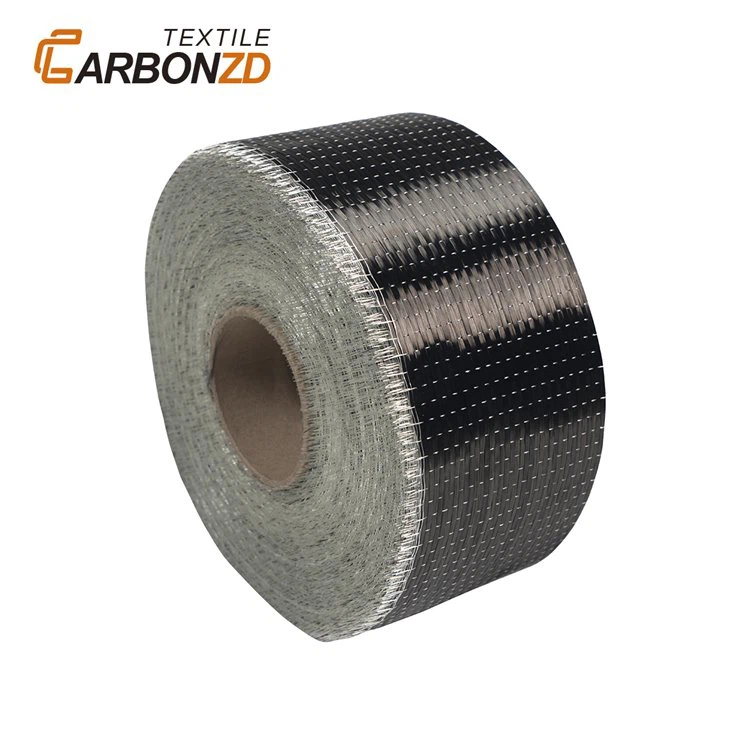
Before we start talking about optimization, let's quickly go over what UD carbon fiber fabric is. UD stands for "uni - directional," which means that all the carbon fibers in the fabric run in one direction. This gives the fabric excellent strength and stiffness in that particular direction. It's commonly used in applications where high - strength and lightweight materials are needed, like Carbon Wrapping for Beams in construction or in high - performance automotive parts.
Selecting the Right Fiber
The first step in optimizing the performance of UD carbon fiber fabric is to choose the right type of carbon fiber. There are different grades of carbon fibers available, each with its own set of properties. For example, T700 UD Carbon Fiber Fabric is a popular choice. It offers a good balance between strength and cost. If you need higher strength and modulus, you might want to look into more advanced fibers, but keep in mind that they usually come at a higher price.
When selecting the fiber, consider the specific requirements of your application. If you're building a component that will be subjected to high tensile loads, you'll need a fiber with high tensile strength. On the other hand, if stiffness is your main concern, look for a fiber with a high modulus.
Proper Resin Selection
The resin used to impregnate the UD carbon fiber fabric is just as important as the fiber itself. The resin holds the fibers together and transfers the loads between them. There are different types of resins available, such as epoxy, polyester, and vinyl ester.
Epoxy resins are the most commonly used in high - performance applications. They offer excellent adhesion to the carbon fibers, high chemical resistance, and good mechanical properties. Polyester and vinyl ester resins are more affordable but may not provide the same level of performance as epoxy.
When choosing a resin, consider factors like curing time, temperature resistance, and the compatibility with the carbon fiber. A resin that cures too quickly may not allow enough time for proper handling and lay - up, while a resin with poor temperature resistance may degrade under high - temperature conditions.

Lay - up Techniques
The way you lay up the UD carbon fiber fabric can significantly affect its performance. There are a few key points to keep in mind when doing the lay - up:
- Orientation: Since UD carbon fiber fabric has directional strength, make sure to orient the fabric in the direction of the expected loads. For example, if a part will be mainly subjected to tension in one direction, align the fibers in that direction.
- Lay - up sequence: If you're using multiple layers of UD carbon fiber fabric, the sequence of the layers can matter. You can use different lay - up patterns, such as 0/90 or + 45/ - 45, to achieve balanced strength in different directions.
- Compaction: Proper compaction of the fabric during the lay - up process is crucial. This helps to remove air bubbles and ensure good contact between the fibers and the resin. You can use rollers or vacuum bags to achieve better compaction.
Curing Process
The curing process is another critical step in optimizing the performance of UD carbon fiber fabric. Curing is the process by which the resin hardens and bonds the fibers together. The curing conditions, such as temperature and time, need to be carefully controlled.
Most epoxy resins require a specific curing temperature and time. If the curing temperature is too low, the resin may not fully cure, resulting in poor mechanical properties. On the other hand, if the temperature is too high, it can cause the resin to degrade or the fibers to be damaged.
Using a curing oven or autoclave can help to ensure consistent and proper curing. These devices allow you to control the temperature and pressure during the curing process, which can lead to better - quality parts.
Post - processing
After the curing process, there are some post - processing steps that can further enhance the performance of the UD carbon fiber fabric. For example, sanding the surface of the cured part can improve its appearance and remove any rough edges. You can also apply a protective coating to the part to improve its resistance to environmental factors, such as moisture and UV radiation.
Quality Control
Throughout the entire process of manufacturing and using UD carbon fiber fabric, quality control is essential. Regularly inspect the fabric for any defects, such as broken fibers or uneven resin distribution. You can use non - destructive testing methods, like ultrasonic testing or X - ray inspection, to detect internal defects.

Storage and Handling
Proper storage and handling of UD carbon fiber fabric are also important for maintaining its performance. Store the fabric in a cool, dry place away from direct sunlight. When handling the fabric, be careful not to damage the fibers. Avoid sharp edges or rough surfaces that could cut or abrade the fabric.
Application - Specific Considerations
Different applications may have specific requirements for optimizing the performance of UD carbon fiber fabric. For example, in the CFRP Carbon used in aerospace applications, weight reduction is often a top priority. In this case, you may need to use thinner fabrics or more advanced manufacturing techniques to achieve the desired weight savings while still maintaining the required strength.
In the construction industry, where Carbon Wrapping for Beams is common, the durability and long - term performance of the fabric are crucial. You'll need to ensure that the fabric and resin system can withstand the environmental conditions, such as humidity and temperature variations, over the lifespan of the structure.
Conclusion
Optimizing the performance of UD carbon fiber fabric is a multi - step process that involves careful selection of materials, proper manufacturing techniques, and strict quality control. By following these tips, you can get the most out of this amazing material and ensure that your projects are successful.

If you're interested in purchasing high - quality UD carbon fiber fabric for your next project, I'd love to have a chat with you. We can discuss your specific requirements and find the best solutions for you. Don't hesitate to reach out and start a conversation about how we can work together to achieve your goals.
References
- "Carbon Fiber Composites: Design and Manufacturing" by A. K. Mohanty, S. K. Nayak, and S. K. Nanda
- "Handbook of Carbon Fiber Composites" by M. Jawaid and L. Y. Song