

Aramid fiber fabric, known for its high strength, heat resistance, and excellent chemical stability, has become a popular choice in various industries, including aerospace, automotive, and protective clothing. As a supplier of Plain Aramid Fiber Fabric, I understand the importance of maintaining the quality and performance of this remarkable material. In this blog post, I will share some effective methods on how to clean plain aramid fiber fabric to ensure its longevity and optimal functionality.
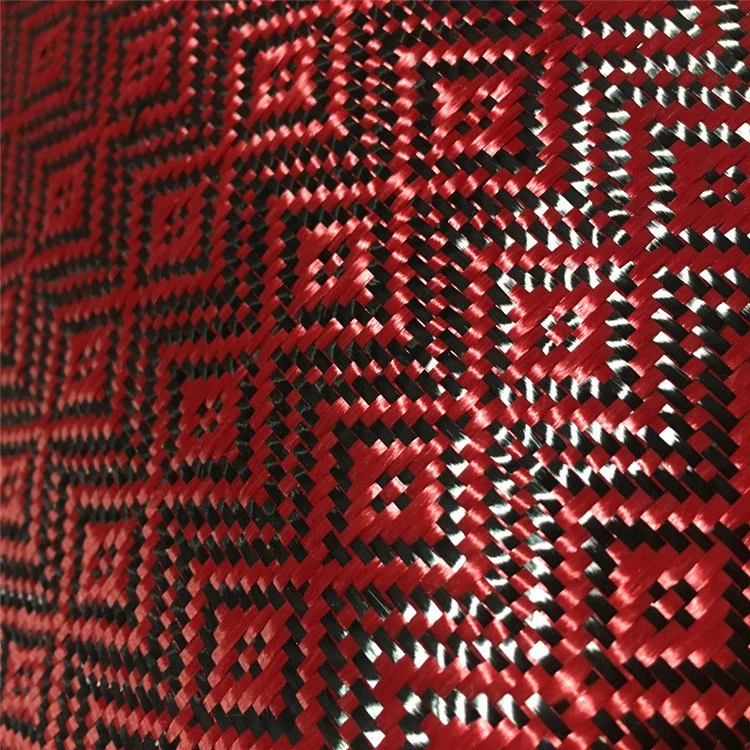

Understanding the Properties of Plain Aramid Fiber Fabric
Before diving into the cleaning process, it's essential to have a basic understanding of the properties of plain aramid fiber fabric. Aramid fibers are synthetic fibers with high tensile strength and low elongation. They are resistant to heat, chemicals, and abrasion, making them suitable for demanding applications. However, they can be sensitive to certain cleaning agents and mechanical stress. Therefore, it's crucial to choose the right cleaning methods and products to avoid damaging the fabric.
Pre - cleaning Inspection
The first step in cleaning plain aramid fiber fabric is to conduct a thorough inspection. Check the fabric for any visible stains, dirt, or damage. Identify the type of stains, such as oil, grease, or dirt, as different stains may require different cleaning approaches. Also, look for any signs of wear and tear, such as fraying or holes. If the fabric is severely damaged, it may need to be repaired or replaced rather than cleaned.
Spot Cleaning
For minor stains and dirt on plain aramid fiber fabric, spot cleaning is often the most effective method. Here's how you can do it:
- Choose the Right Cleaning Agent: Select a mild detergent or a specialized fabric cleaner that is suitable for synthetic fibers. Avoid using harsh chemicals, bleach, or abrasive cleaners, as they can damage the aramid fibers.
- Prepare the Cleaning Solution: Dilute the cleaning agent in warm water according to the manufacturer's instructions. The water should be lukewarm, as hot water can cause shrinkage or damage to the fabric.
- Test the Cleaning Solution: Before applying the cleaning solution to the stained area, test it on a small, inconspicuous part of the fabric to ensure it doesn't cause any discoloration or damage.
- Apply the Cleaning Solution: Dip a clean, soft cloth or sponge into the cleaning solution and gently blot the stained area. Avoid rubbing the stain vigorously, as this can spread the stain and damage the fibers.
- Rinse the Area: Once the stain is removed, rinse the area with clean water to remove any remaining cleaning solution. Use a clean cloth or sponge to blot the area dry.
Machine Washing
If the plain aramid fiber fabric is relatively dirty and spot cleaning is not sufficient, machine washing may be an option. However, it's important to follow these guidelines to prevent damage to the fabric:
- Use a Gentle Cycle: Set your washing machine to a gentle or delicate cycle to minimize mechanical stress on the fabric. Avoid using the heavy - duty or high - speed cycle, as it can cause the fabric to stretch, fray, or tangle.
- Choose the Right Detergent: Use a mild, liquid detergent that is formulated for synthetic fibers. Avoid using powdered detergents or fabric softeners, as they can leave a residue on the fabric and reduce its performance.
- Load the Washing Machine Properly: Don't overload the washing machine, as this can cause the fabric to rub against other items and become damaged. Wash the plain aramid fiber fabric separately or with similar synthetic materials.
- Control the Water Temperature: Use cold or lukewarm water for washing. Hot water can cause the fabric to shrink or lose its strength.
- Avoid Over - agitation: During the washing process, try to minimize the agitation of the fabric. Some modern washing machines have a "hand - wash" or "gentle" option that reduces the agitation.
- Spin Dry Carefully: If you need to spin dry the fabric, use a low - speed spin setting to prevent excessive wrinkling and damage.
Drying the Fabric
Proper drying is crucial to maintain the quality of plain aramid fiber fabric. Here are some tips for drying:
- Air Drying: The best way to dry plain aramid fiber fabric is to air dry it. Hang the fabric on a clothesline or lay it flat on a clean, dry surface. Avoid direct sunlight, as prolonged exposure to sunlight can cause the fabric to fade and lose its strength.
- Avoid Tumble Drying: Tumble drying is generally not recommended for plain aramid fiber fabric, as the high heat and mechanical agitation can damage the fibers. If you must use a dryer, use the lowest heat setting and remove the fabric from the dryer as soon as it is dry.
Special Considerations for Different Colors
If you are dealing with different colored aramid fiber fabrics, such as Yellow Aramid Fiber Fabric or Red Aramid Fiber Fabric, extra care should be taken. Separate the fabrics by color to prevent color bleeding during the cleaning process. Also, be aware that some dyes may be more sensitive to cleaning agents, so test the cleaning solution on a small area first.
Maintaining the Fabric's Performance after Cleaning
After cleaning and drying, it's important to store the plain aramid fiber fabric properly to maintain its performance. Store the fabric in a cool, dry place away from direct sunlight and moisture. Avoid folding the fabric tightly for extended periods, as this can cause creases and weaken the fibers. If possible, roll the fabric instead of folding it.
Conclusion
Cleaning plain aramid fiber fabric requires careful attention to its unique properties. By following the methods and guidelines outlined in this post, you can effectively clean and maintain the quality of your aramid fiber fabric. As a supplier of plain aramid fiber fabric, I am committed to providing you with high - quality products and useful information to help you get the most out of your purchase. If you have any questions about cleaning or using our fabrics, or if you are interested in purchasing our Plain Aramid Fiber Fabric, please feel free to reach out for further discussion and procurement opportunities.
References
- "Aramid Fibers: Fundamentals and Applications" by Edgar T. Krebil
- Textile Care Manuals from leading textile manufacturers.